Only So Many Summer Days
Fire air, mental health, the CCC boys, and a playlist for climate catasrophe.

What was left of the baby bok choy was wilted, yellow, and totally unusable. The blueberries were twelve dollars. And as I drew a deep breath ahead of a long sigh, my throat burned from the fire air outside. Standing in the grocery store, googling what I could substitute for bok choy, a thought drifted across my periphery: this is not how I imagined life would be going in my late thirties, in 2026. The camping trip I’d been looking forward to all year was now threatened by an Air Quality Index unsafe for anyone, let alone someone like me, with mild asthma and intense allergies. And just this week I discovered that this fire-air hellscape inflames my psoriasis; my legs, face, and ears are covered.
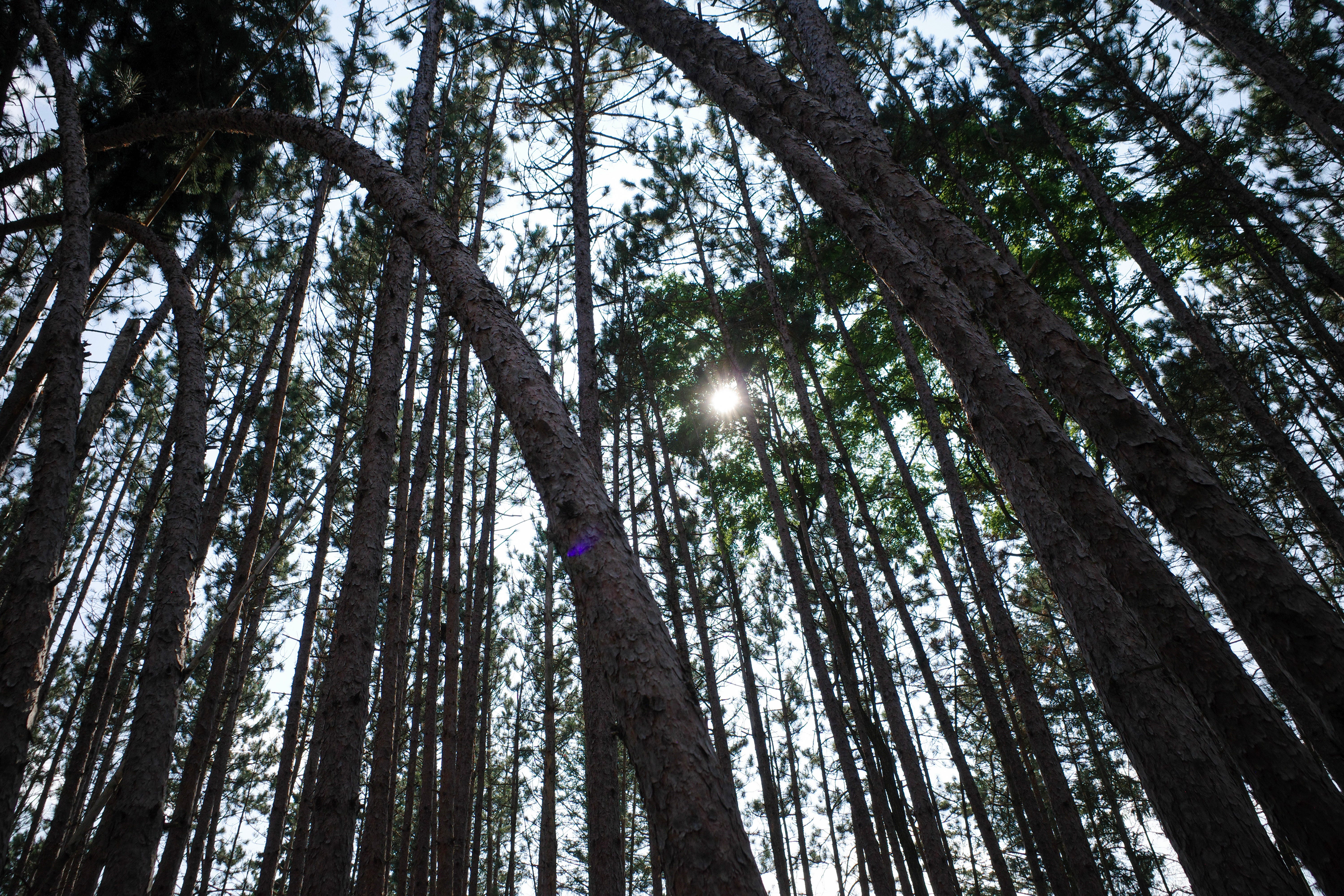
We only get so many beautiful summer days in a lifetime. On top of everything else crumbling in the world, my sadness over a few “ruined” summer days feels mostly insignificant, but the compounding health complications and the loss of joy got me thinking about the real toll that climate change, and polluted air, takes on our mental health.
It turns out, I’m not being dramatic. A 2017 study in the Journal of Environmental Economics and Management set out to measure how a dirty sky affects the people living under it. Tracking pollution against how people actually reported feeling, the authors found that worse air quality lowered moment-to-moment happiness and raised depressive symptoms. The authors also argued their findings support why economic growth doesn’t always translate into happier lives.
In another study that followed more than a thousand Londoners over several years, higher exposure to fine-particle and traffic pollution was linked to somewhere between 18 and 39 percent higher odds of common mental disorders, and day to day the symptoms were fatigue, disrupted sleep, and irritability.
A 2024 umbrella review in World Psychiatry gathered up the global research linking air pollution and a warming climate to mental health. The authors are careful; most of the associations are modest. But they connect rising temperatures with more anxiety, more depression, and higher suicide rates. Pollution exposure, meanwhile, was tied to higher rates of cognitive decline.
Lastly, a review in BJPsych Open notes that poor air quality makes pre-existing conditions worse. My asthma, my allergies, my psoriasis flaring across my legs and face and ears these worsening symptoms come with a physical AND mental cost. And thinking about the lost hikes and swims and camping nights aren’t trivial extras I’m being precious about, these activities keep me well.
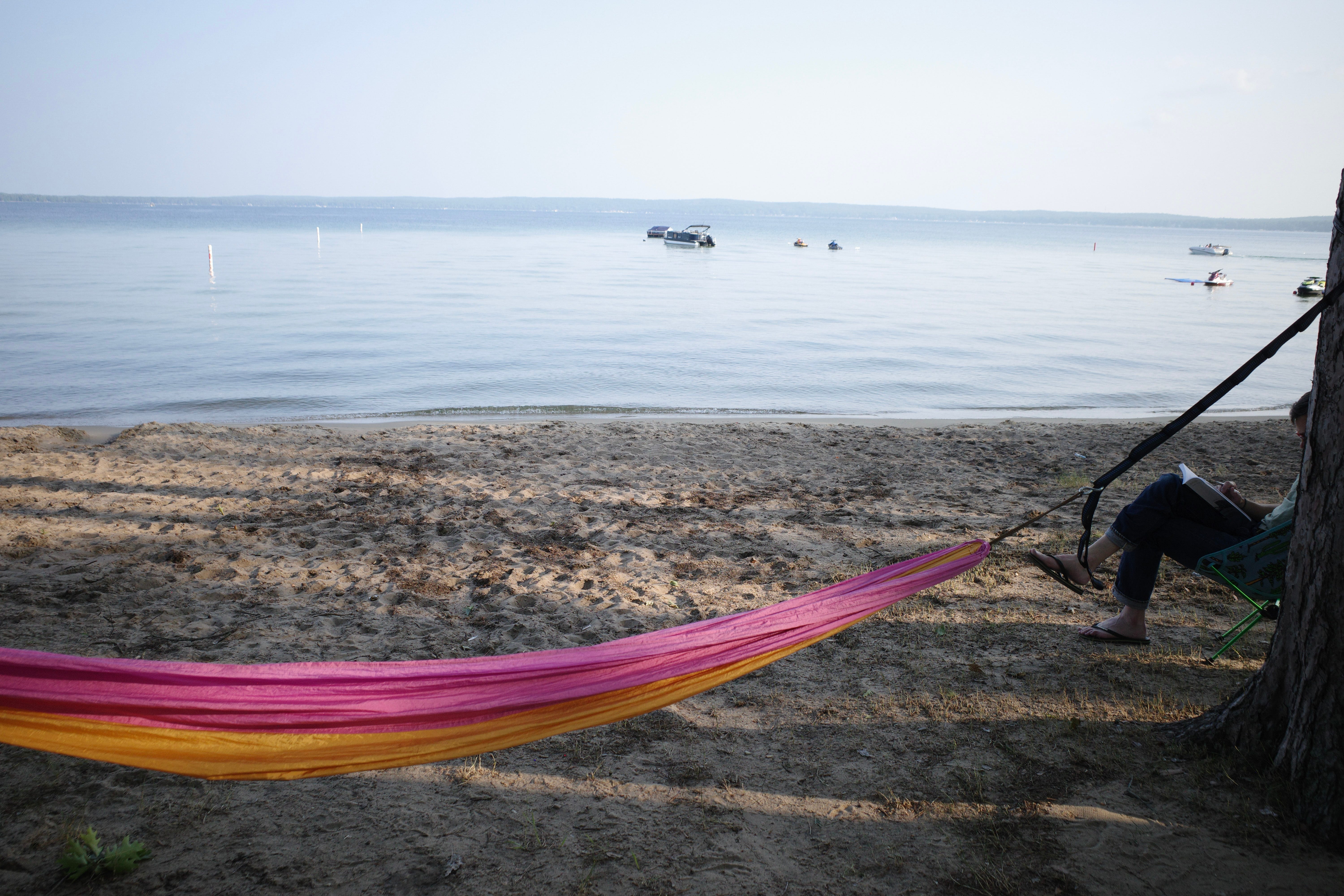
One ruined summer day is not insignificant. We only get so many of them. And I’m thinking more and more about the grief I feel as these days slip through my fingers.
see also, Naomi Klein recent post Season of Smoke
References
Zhang, X., Zhang, X., & Chen, X. (2017). Happiness in the air: How does a dirty sky affect mental health and subjective well-being? Journal of Environmental Economics and Management, 85, 81–94.
Bakolis, I., et al. (2021). Mental health consequences of urban air pollution: prospective population-based longitudinal survey. Social Psychiatry and Psychiatric Epidemiology, 56, 1587–1599.
Bhui, K., et al. (2023). Air quality and mental health: evidence, challenges and future directions. BJPsych Open, 9(4), e120.
Radua, J., et al. (2024). Impact of air pollution and climate change on mental health outcomes: an umbrella review of global evidence. World Psychiatry, 23(2), 244–256.

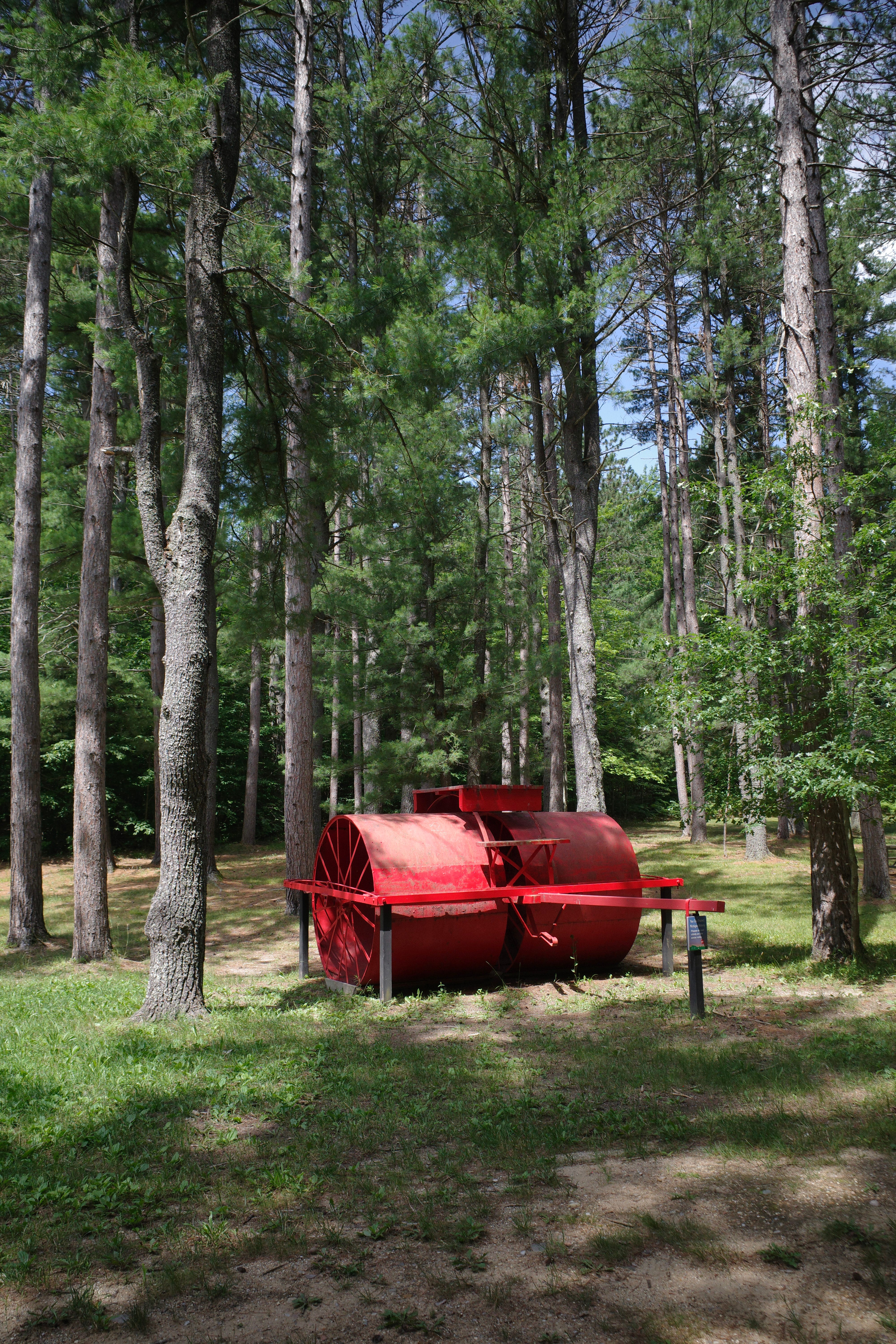
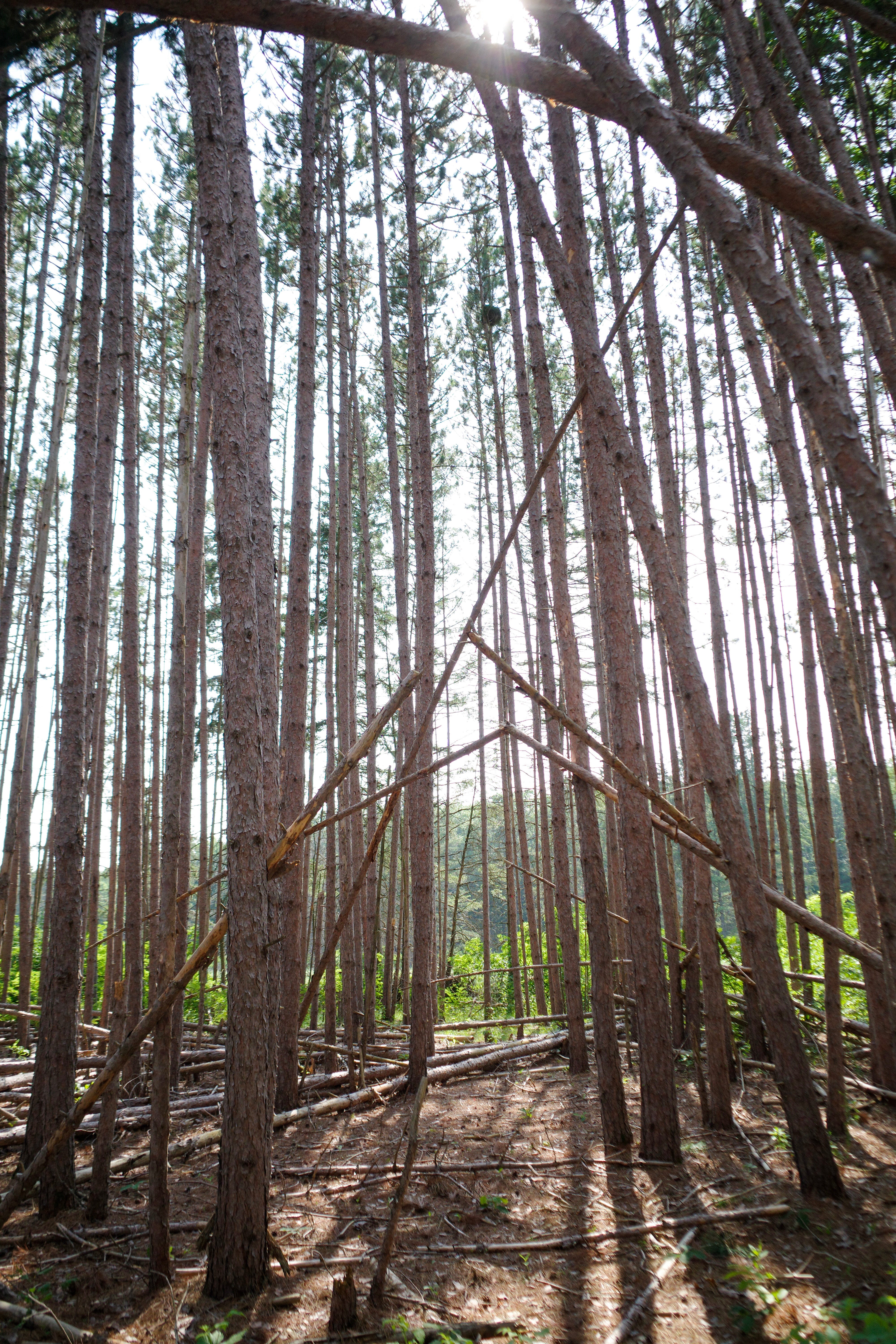
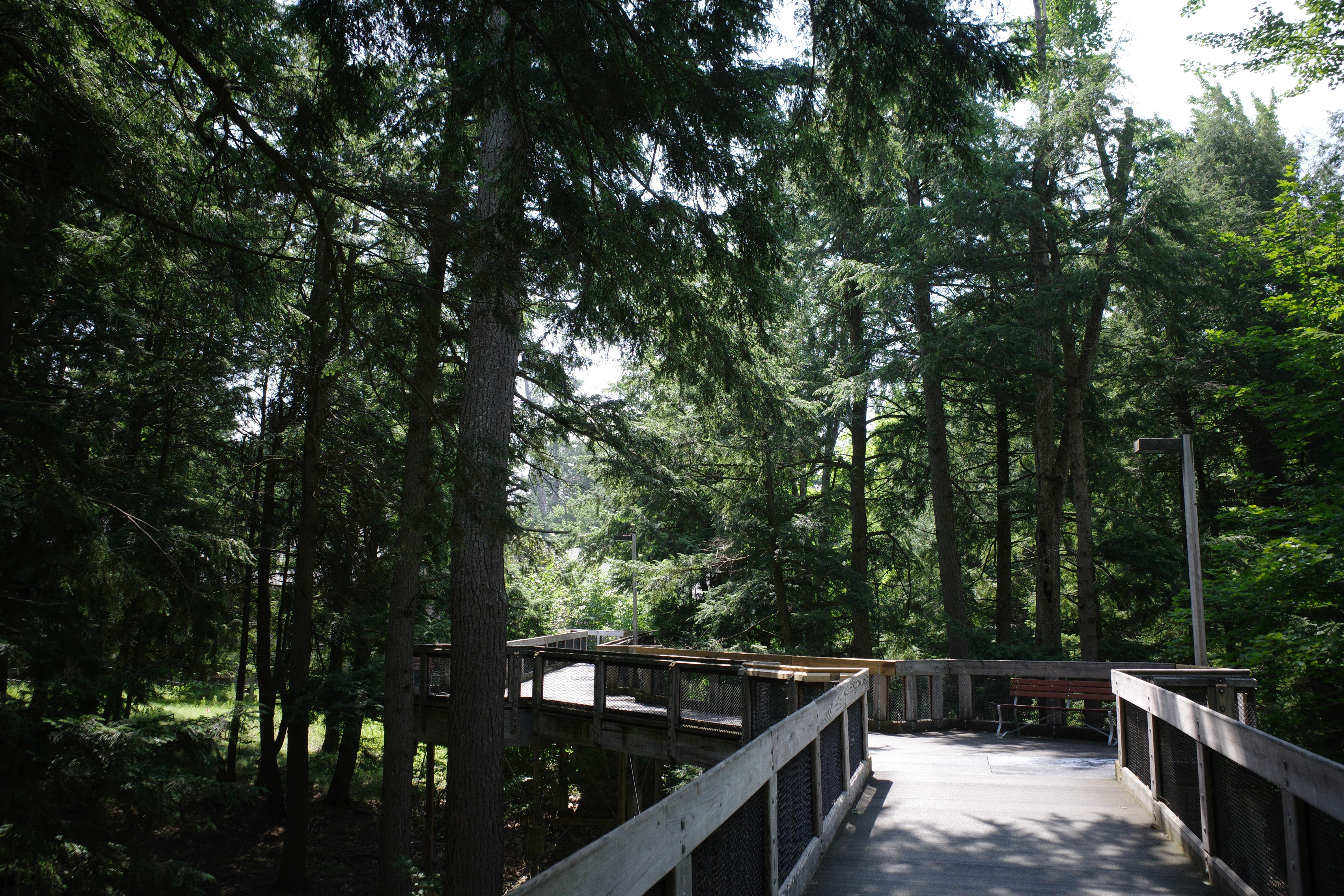
Despite the fire air, we did make it to camp this weekend, though a shorter than anticipated trip. It was a joy to visit the CCC Museum and Hartwick Pines Logging Museum and Old Growth Forrest. Highly reccomend and under 3-hour drive from Detroit. Odd to be visiting these sites while wild fire raged in Canada, but I also longed for big policy like that of the CCC era to support a climate and people protecting future.